Geometric Retro Lines: A Modern Designer’s Secret Weapon
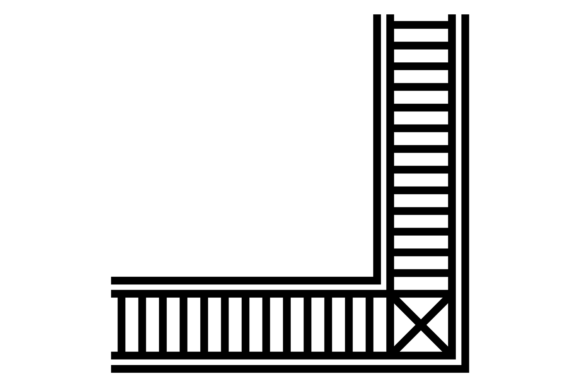
There is a specific kind of visual language that speaks of structure, order, and a sophisticated nod to the past. It’s the language of geometry—clean lines, perfect angles, and balanced symmetry. This is precisely the visual DNA of the Decorative Corner Element. Geometric Ret. It’s not a font in the traditional sense, but a powerful design asset that functions as a complete visual system. Imagine a set of sleek, interconnected lines, circles, and rectangles, rendered in a style that feels both mid-century modern and distinctly contemporary. This system, available as an EPS, JPG, SVG, or transparent PNG, offers a versatile toolkit for injecting structure and retro flair into any project.
At its core, the Decorative Corner Element. Geometric Ret is about framing and accentuation. Its personality is one of controlled creativity. It doesn’t shout; it guides. The style is clean, minimalist, and inherently professional, yet it carries a warm, nostalgic undertone thanks to its retro inspirations. This duality makes it incredibly appealing. It can feel like the architectural detailing on a 1960s modernist building or the precise, rhythmic borders of an Art Deco poster. The overall appeal lies in its ability to add significant visual interest without overwhelming the primary content. It’s the perfect tool for creating a sense of place, hierarchy, and intentionality in a design.
Where Geometric Structure Meets Creative Vision
The applications for a design asset like this are surprisingly broad. Its strength is in its adaptability. For logo design, these corner elements can be used to create a unique, contained logomark or to build a broader brand identity system. Think of a logo for a boutique architecture firm or a specialty coffee roaster—the geometric lines add instant credibility and a modern, established feel. In editorial design, such as for magazines, lookbooks, or annual reports, these elements excel at creating elegant frames for pull quotes, chapter headings, or full-page image treatments. They establish a strong visual hierarchy, immediately telling the reader what’s important.
In the digital realm, the Decorative Corner Element. Geometric Ret shines in web design and social media graphics. Use the transparent PNG to frame a hero image on a website, creating a sophisticated, branded look. On Instagram or Pinterest, they can transform a simple text-based post into a standout piece of content, adding a layer of professionalism that builds brand recognition. For packaging design, especially for products like artisanal spirits, tech accessories, or high-end cosmetics, these borders can be used on labels, boxes, or sleeves to communicate quality and design-savviness. They are also fantastic for crafters and hobbyists—from creating custom stationery and wedding invitations to designing scrapbook pages and printable wall art.
The Subtle Power of Framing and Perception
How a design element is used directly influences how an audience perceives the message. Incorporating the Decorative Corner Element. Geometric Ret does more than just decorate; it shapes perception. By framing content, you instantly improve visual hierarchy. The eye is naturally drawn to the contained area, making your key message or image the undeniable focal point. This structured approach enhances readability by creating clear boundaries between content blocks, especially in complex layouts.
From a brand identity perspective, consistent use of a unique design asset like this fosters recognition and professionalism. It becomes a signature style element that audiences begin to associate with your brand. It tells a story of attention to detail and thoughtful design, which builds trust. In marketing materials, this can translate to higher audience engagement. A well-framed call-to-action or a beautifully bordered social media graphic feels more intentional and valuable than content without such structure. It’s a subtle signal that says, “We care about the details.”
A Practical Guide to Implementation
Adopting a new design asset requires a bit of strategy. Here’s how to evaluate and use the Decorative Corner Element. Geometric Ret effectively.
- Evaluate the Project Fit: This style is a natural fit for projects aiming for a modern, retro, minimalist, or architectural aesthetic. It might feel out of place in a context that requires a purely organic, whimsical, or hand-drawn feel. Assess the existing brand personality or the desired tone of your project first.
- Master the Font Pairing: Since this is a decorative element, pairing it with typography is key. It works beautifully with clean sans serif fonts for a contemporary look or with classic serif fonts for a more timeless, editorial feel. Avoid pairing it with overly ornate script fonts or handwritten fonts, as the visual styles would likely clash. The goal is balance—let the geometric element be the star and the typography its supporting actor.
- Leverage the File Formats: The included formats offer flexibility. Use the EPS or SVG for infinite scalability in vector-based software like Adobe Illustrator—perfect for logo design and print projects. The transparent PNG is ideal for quick, layered compositions in web design or social media tools. The JPG is useful for mockups or situations where a flat, non-transparent background is acceptable.
- Consider Commercial Licensing: If you're a small business owner, marketer, or publisher using this for client work or commercial products, ensure you understand the licensing. Most premium design assets come with licenses that cover a wide range of commercial uses, but it’s always prudent to check the specifics for digital products, merchandise, or large-scale print runs.
Ultimately, the Decorative Corner Element. Geometric Ret is more than just a decorative border. It’s a premium design asset that brings order, style, and a touch of retro sophistication to the modern designer’s toolkit. By understanding its personality and applying it with intention, you can elevate your projects from simple to structured, and from ordinary to intentionally crafted.