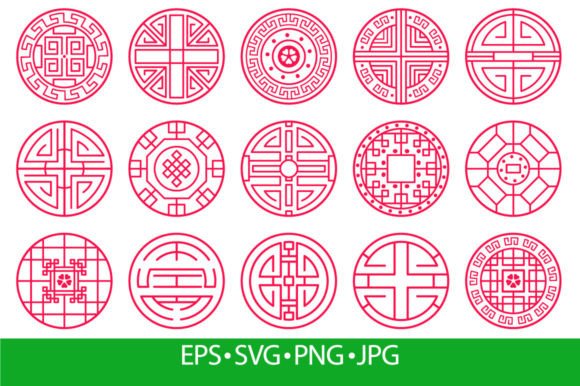
Chinese Oriental Decorative Ornament: A Guide to Festive Frame Design
When you need to capture the essence of celebration and cultural depth in a single design element, the visual language of the East offers a powerful solution. We often look for textures or specific icons, but sometimes the structure itself tells the story. This is where the concept of the Chinese Oriental Decorative Ornament becomes essential for modern creatives. It is not just about a single image; it is about a specific visual vocabulary that utilizes circular framing, intricate line work, and symbolic motifs to create a sense of completeness and harmony.
For designers, marketers, and small business owners, understanding how to leverage these assets—specifically the round festive frames and vector illustration sets—can transform a standard layout into an engaging visual experience. Whether you are working on a Lunar New Year campaign, a luxury brand identity, or editorial design, these patterns provide a bridge between traditional aesthetics and contemporary digital needs.
The Anatomy of the Round Festive Frame
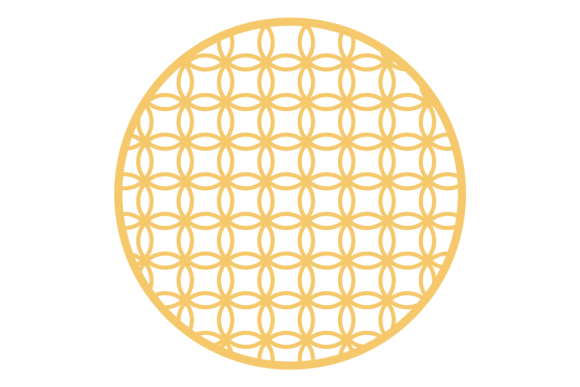
The most distinctive feature of this style is the circular composition. In Eastern philosophy, the circle represents unity, eternity, and the cyclical nature of life. When applied to decorative art, it creates a natural focal point. A typical Chinese Oriental Decorative Ornament round frame is rarely just a simple border. Instead, it is a dense arrangement of motifs—clouds, florals, geometric lattices, and mythical elements—woven together to form a cohesive ring.
Visually, these assets are characterized by high contrast and intricate detail. You will often see the use of negative space to define patterns, allowing the design to breathe even within a confined shape. The personality of these ornaments is bold yet refined. They command attention without necessarily shouting. For a graphic designer, this means you can use these frames to anchor a composition. Place a central message or a key product image inside the ring, and the ornament naturally guides the viewer's eye inward.
Practical Applications Across Industries
The versatility of the Chinese Oriental Decorative Ornament set makes it a valuable asset in various professional fields. It is not limited to holiday cards or event invitations.
- Branding and Logo Design: For businesses in the wellness, tea, or luxury sectors, these circular motifs can elevate a logo. They add a layer of heritage and sophistication that sans serif fonts alone cannot achieve. The ornament acts as a seal of quality.
- Packaging Design: Imagine a high-end cosmetic box or a specialty food label. A gold-foiled version of a round festive frame instantly communicates premium value. It suggests that the product inside is curated and special.
- Digital and Web Design: On a landing page, these vector illustrations can serve as background textures or hero section dividers. Because they are available in SVG and PNG formats, they scale perfectly for high-resolution screens without losing crispness.
- Social Media Graphics: Content creators often struggle to make their posts stand out. Using a festive frame as a "window" for a photo or a text overlay creates a distinct visual signature that followers will recognize instantly.
Choosing the Right Format and Style
When sourcing your Chinese Oriental Decorative Ornament files, the technical specifications matter as much as the visual appeal. You are likely looking for a set that includes EPS, SVG, PNG, and JPG formats. Each serves a specific purpose in your workflow.
For instance, vector formats (EPS and SVG) are crucial for print projects like posters or merchandise. They allow you to resize the ornament to fit a billboard or a business card without any pixelation. This is non-negotiable for professional packaging design or large-format printing. Conversely, the PNG format is your go-to for digital work because it supports transparency. You can layer the frame over photographs or complex backgrounds in Photoshop or Canva without a white box surrounding it.
Evaluating the Aesthetic Fit
Not every ornament fits every brand. Before you download, look closely at the line weight and the density of the pattern. A very thick, bold pattern might work well for a festival poster but could overwhelm a delicate wedding invitation. Consider the "personality" of the asset.
Is the ornament symmetrical? Symmetry conveys stability and formality, which is excellent for corporate branding or official certificates. Is it asymmetrical or organic? This style feels more artistic and fluid, better suited for creative font pairings in editorial design or modern art portfolios. You want the ornament to complement your typeface, not fight it. If you are using a heavy serif font, a detailed ornament might create too much visual noise. In that case, look for a frame with more negative space.
Integrating Ornaments into Modern Typography
One of the most common mistakes in using decorative assets is treating them as an afterthought. To truly integrate a Chinese Oriental Decorative Ornament into your layout, you must consider the relationship between the image and the text.
Think about visual hierarchy. The ornament should support the message, not steal the spotlight. If you are designing a social media graphic, place the ornament behind your headline text. You might need to lower the opacity of the ornament or use a blending mode so the text remains legible. This technique ensures that the design looks professional and intentional, rather than cluttered.
Furthermore, these assets are excellent for creating consistency. If you are launching a marketing campaign, use the same round festive frame across all platforms—Instagram, Facebook, your website, and email headers. This repetition builds brand identity. Your audience starts to associate that specific ornamental style with your brand, increasing recognition and trust.
Commercial Licensing and Professional Usage
As a final note on practicality, always verify the licensing of your design assets. If you are a small business owner or a freelancer, you need to ensure that the vector illustration set allows for commercial use. Most premium asset sites offer licenses that cover digital ads, physical merchandise, and client work. However, reading the fine print is part of being a professional. Ensure you are cleared to use the Chinese Oriental Decorative Ornament in the specific context you intend, whether that is a printed book cover or a digital app interface.
By treating these ornaments not just as "clip art" but as strategic design elements, you can add a layer of cultural richness and visual structure to your projects. The right frame can turn a flat layout into a dynamic experience, making your work more memorable and impactful.